Strategy & Execution
Why positioning audits happen between strategy and creative
Strategy shops hand you a doorstop report and some slides. Creative agencies skip straight to logos and copy without understanding who actually buys from you or how you stack up against the five competitors stealing your deals. A positioning audit sits between them. It asks the real questions. What does your market think about you today? How much do you look like everyone else? What gap could you fill that nobody else owns? Everything downstream — every design decision, every outreach email, every investor pitch — gets built on top of those answers.
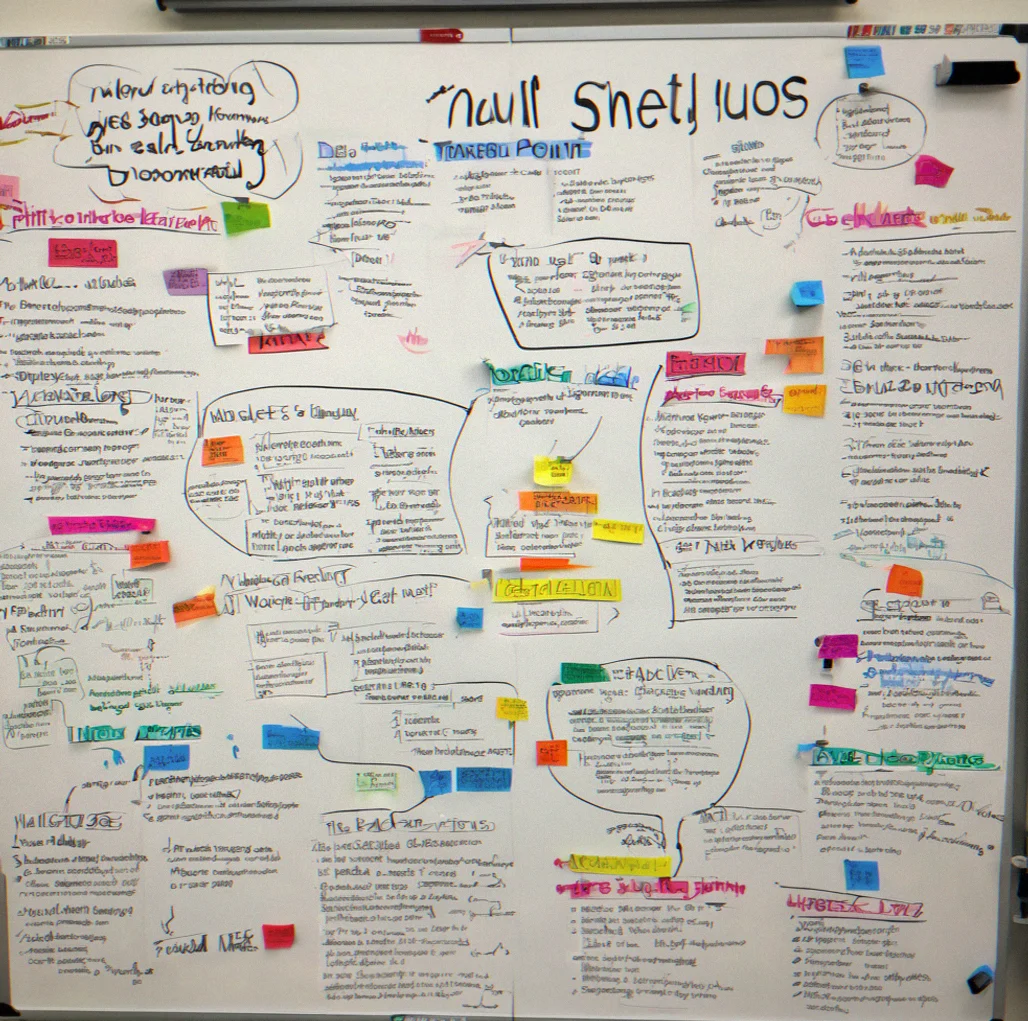
The whole thing takes a month. You talk to your own leadership. CEO, VP of sales, product lead, maybe a customer or two. You pull apart the competitive landscape. Write down what each competitor says they do, who they're chasing, what words they use. Figure out the handful of things your team actually believes sets you apart. Then you write one positioning statement and stack your three to five key messages underneath it so everyone in the company reads from the same page.
Sales actually closes faster because reps stop winging it. When your account exec and theirs both walk into the same prospect meeting, yours has a real story. That prospect hears the same reason you're different in the first conversation, in the proposal, during pricing, and right before they sign. Repetition works. Consistency changes how people see you, and in sales cycles that drag on for months, that matters.
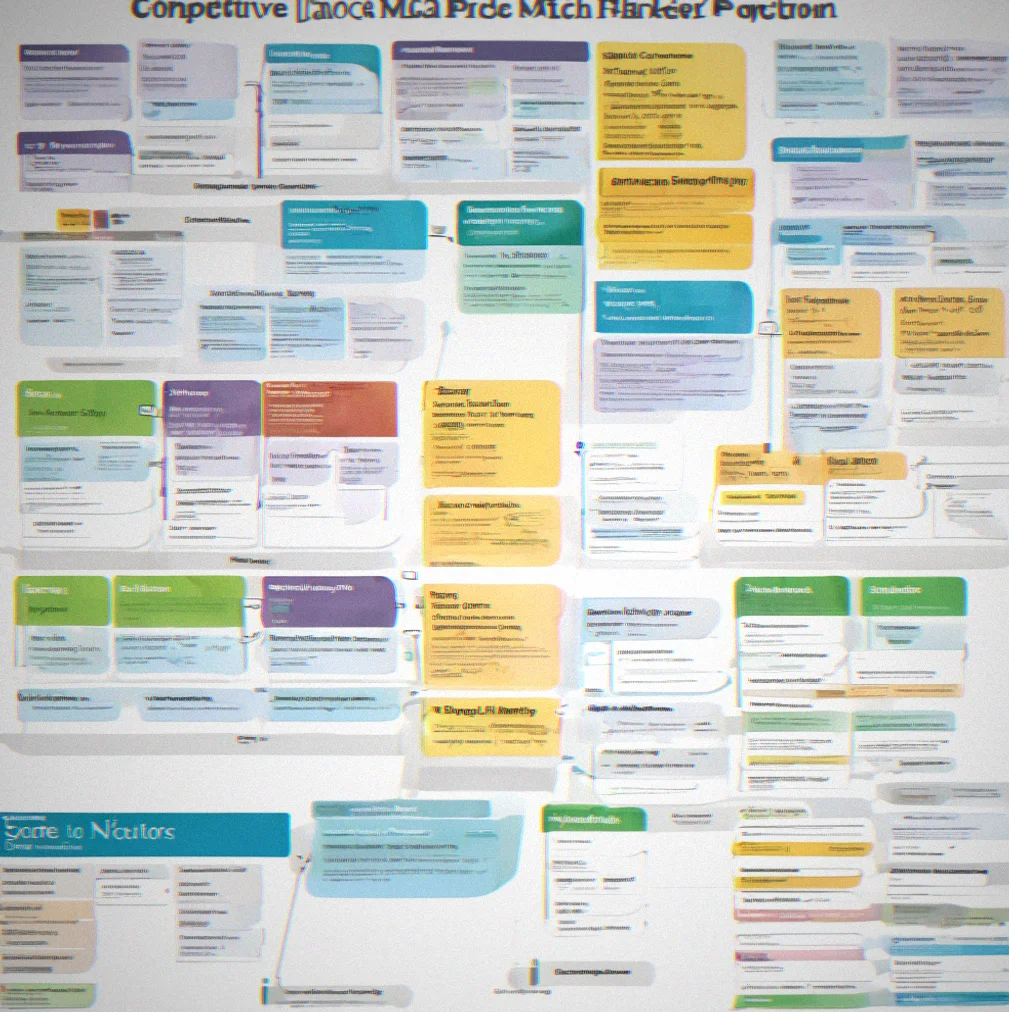
Competitive positioning audit
See where you land against your nearest five to eight competitors. Shows you where everyone clusters, what nobody owns, and who you're actually competing with.
Stakeholder alignment workshops
Lock in your leadership on one story before sales and marketing start talking. Kills the noise where product says one thing, sales says another.
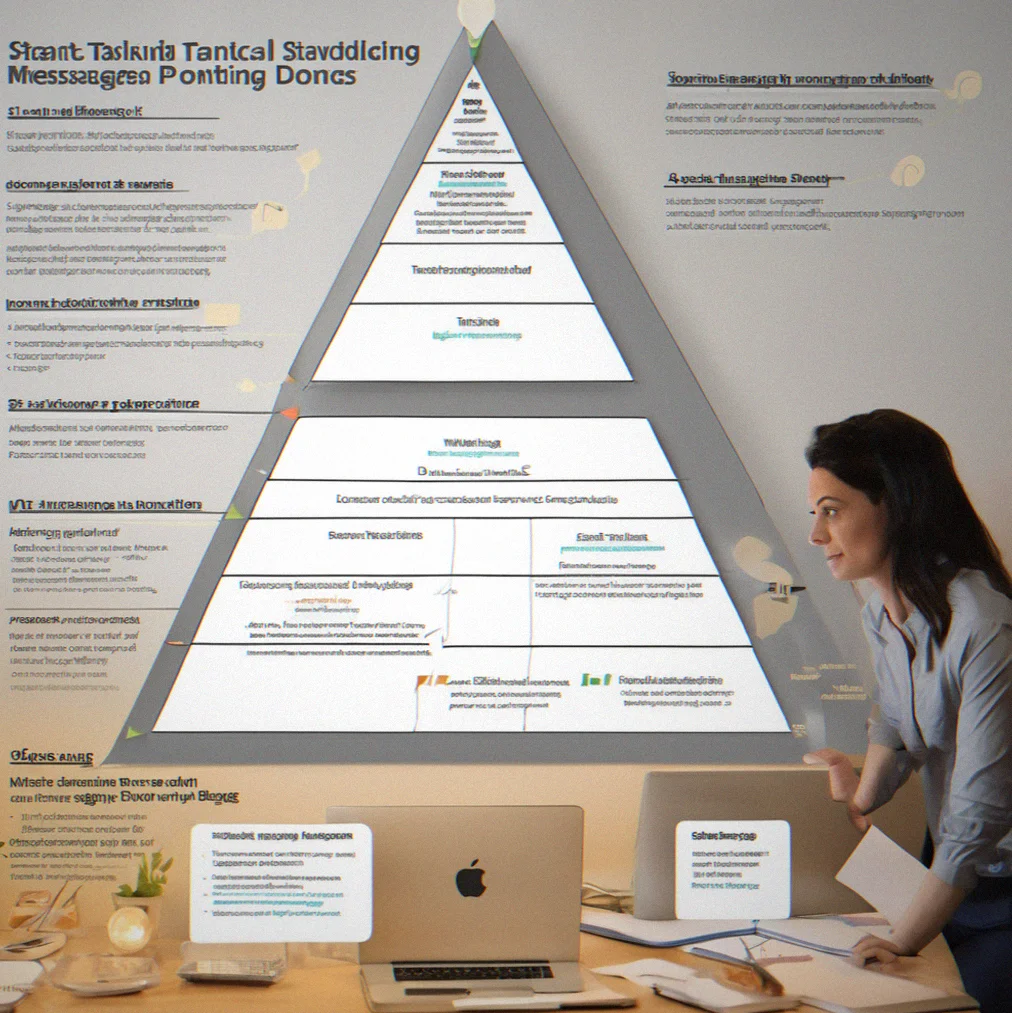
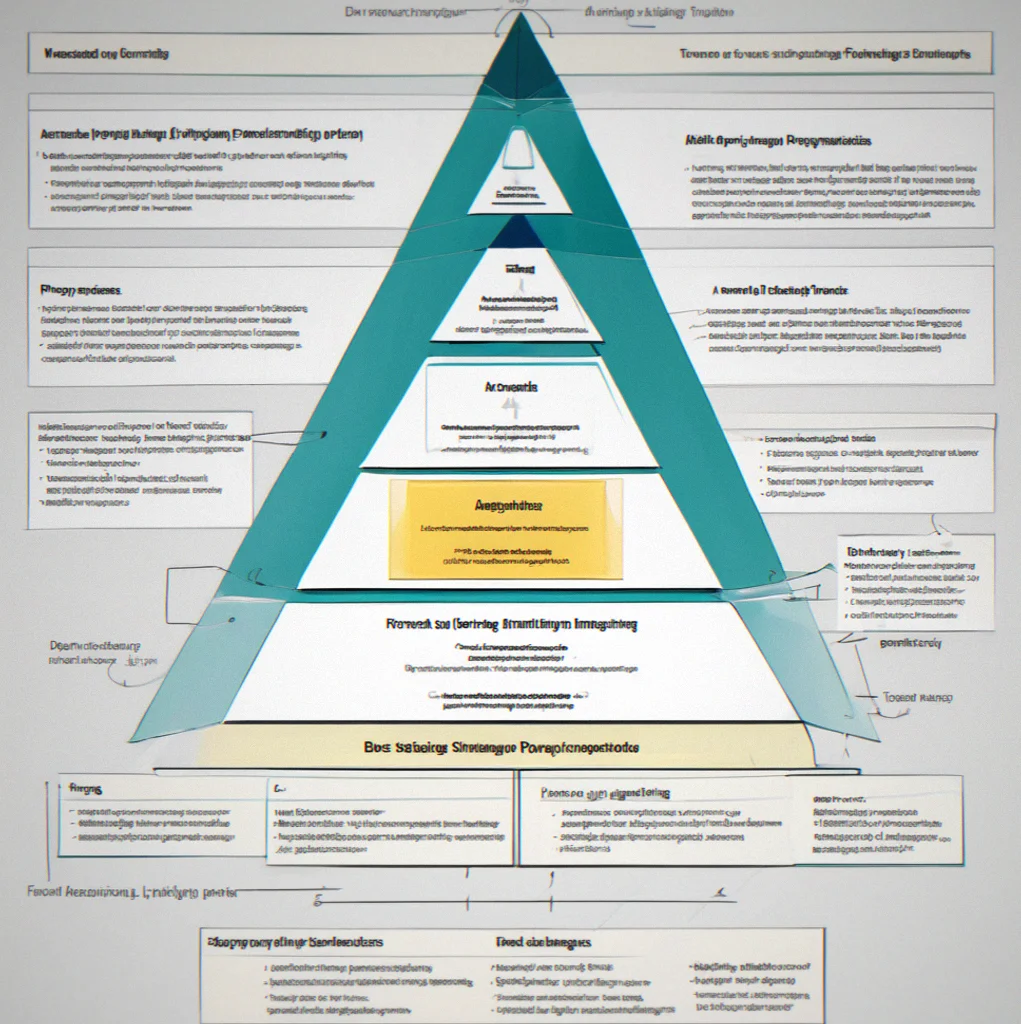
Messaging hierarchy framework
One core statement. Three value props. Proof for each one. Everything across email, decks and calls pulls from the same place so nothing gets made up on the fly.
Value prop refinement
Cut the fluff language. Tie every claim to a real reason. Your reps take these into emails, presentations and customer conversations.